
Article updated April 2024.
Gyms, fitness clubs personal trainers, and studios alike, by now should be aware of the huge potential for market growth through being active on social media channels.
Along with a myriad of benefits such as increased brand awareness, improved search engine rankings, brand loyalty, and cost-effective advertising, there are potential pitfalls of being so clearly in the public eye. We recommend that if you do not already have a social media policy in place, you do so immediately.
The policy should outline a description of social media behaviour that is unacceptable, brand guidelines, and the consequences of breaching the policy to keep your brand safe.
Director of Sydney-based FloSocial, Lynsey Fraser shared her insights on why it’s important to set up a social media policy, particularly when you own or manage a fitness club.
“The number one reason to ensure your club has a policy is to protect your brand. Sometimes the line between personal social media accounts and business can become fuzzy. It is essential to remind your staff that the way they depict themselves online can often reflect on your business, particularly if they identify themselves as an employee of your business.”
Fraser recommends you include the following in your social media policy:
1 – Respecting the privacy of your members
If you are snapping photos to be uploaded to social media, it is a courtesy to seek permission. No one wants to see their sweaty, beetroot-red face show up on Instagram without a heads-up.
2 – Selfies
The policy should also include some regulations around the use of selfies. In fact, selfies, in the changing area should be banned. Members don’t want to appear in the background of
anyone’s photo when getting changed. It may be a good idea to include this in the terms and conditions of your membership contract.
3 – Consent for images
Any images posted to your social channels should have written consent from the person/people in the photo. Where the photos include young children, parental consent should always be acquired.
4 – Policy Enforcement
It’s all very well having a social media policy, but what are the consequences when a staff member breaches the rules? Is a clear violation of the guidelines a case for instant dismissal or a verbal warning? The choice is yours, but make sure all employees are handed a copy of the policy and it’s read and signed.
5 – Responding to bad publicity
Bad reviews, negative comments in the timeline, and awkward questions can all often come into play when you’re online. Your social media policy should outline who to approach when your company’s reputation is questioned and the best way to respond to common scenarios.
If you’re not sure where to start, there are often social media policy templates you can find online, or simply contact a social media company, who specialise in drafting up these types of guidelines.
Original article written by Lynsey Fraser for the What’s New in Fitness Magazine – Winter 2018 Edition.
More recent articles you may enjoy:

Business Spotlight: Laith Cunneen on growing Peak Physio to six clinics and building a clinical platform for fitness professionals
When Laith Cunneen opened Peak Physio in 2012, it was a single clinic. Fourteen years on, the business has six locations across NSW, has treated more than 50,000 clients and has grown revenue by more than 30 per cent in recent years. Along the way it has built an Instagram following of 72,000, a figure
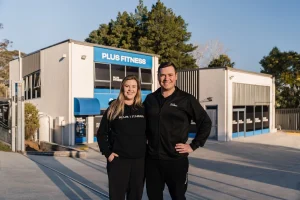
How a young franchisee grew his Plus Fitness franchise memberships by 40% in 15 months
When Joshua Thomas took over Plus Fitness Katoomba in 2025, aged 25, the Blue Mountains club had been trading since 2013 and was due for investment. Fifteen months later, memberships are up 40% and monthly visits have risen 75%, from around 4,000 to 7,000. The turnaround came from a rapid refit, a policy of putting

J.I.M Infrared Fitness Review: What 21 Days at Joy In Movement Taught Me
Why I Wanted to Try J.I.M Infrared Fitness When Joy in Movement (J.I.M) offered me a complimentary trial, I jumped at it. I’ve trained in gyms for more than 25 years and I’ll never say no to a sauna, so a workout that combines movement with infrared heat sounded right up my alley. I’ll admit

No Mirrors, Dogs Welcome: How Project Better Built a Gym Members Won’t Leave
When COVID lockdowns forced gyms to close, more than 100 Project Better members kept paying anyway. Co-founder Jess Curl explains how a community-first model took the brand from a garage to a fifth Melbourne site, and what other gym owners can learn from it. Almost 10 years ago, Jess Curl set out to build a

How to Write A Media Release That Grabs Attention
Knowing how to write a media release is one of the most cost-effective marketing skills a fitness business owner can learn. A single story in your local paper, a trade publication or a national outlet can bring in more members than months of paid ads. The challenge is getting noticed. Journalists receive hundreds of pitches
Inside inLIFE Wellness First Franchise Round: What It Reveals About Scaling a Fitness Business
inLIFE Wellness opened franchise applications to the public for the first time since launching in 2019, a milestone for a boutique wellness network that has grown to 60 studios across Australia and the United States without any franchise marketing. Founder Scott Capelin, who has spent 25 years building and operating fitness businesses, built the model
